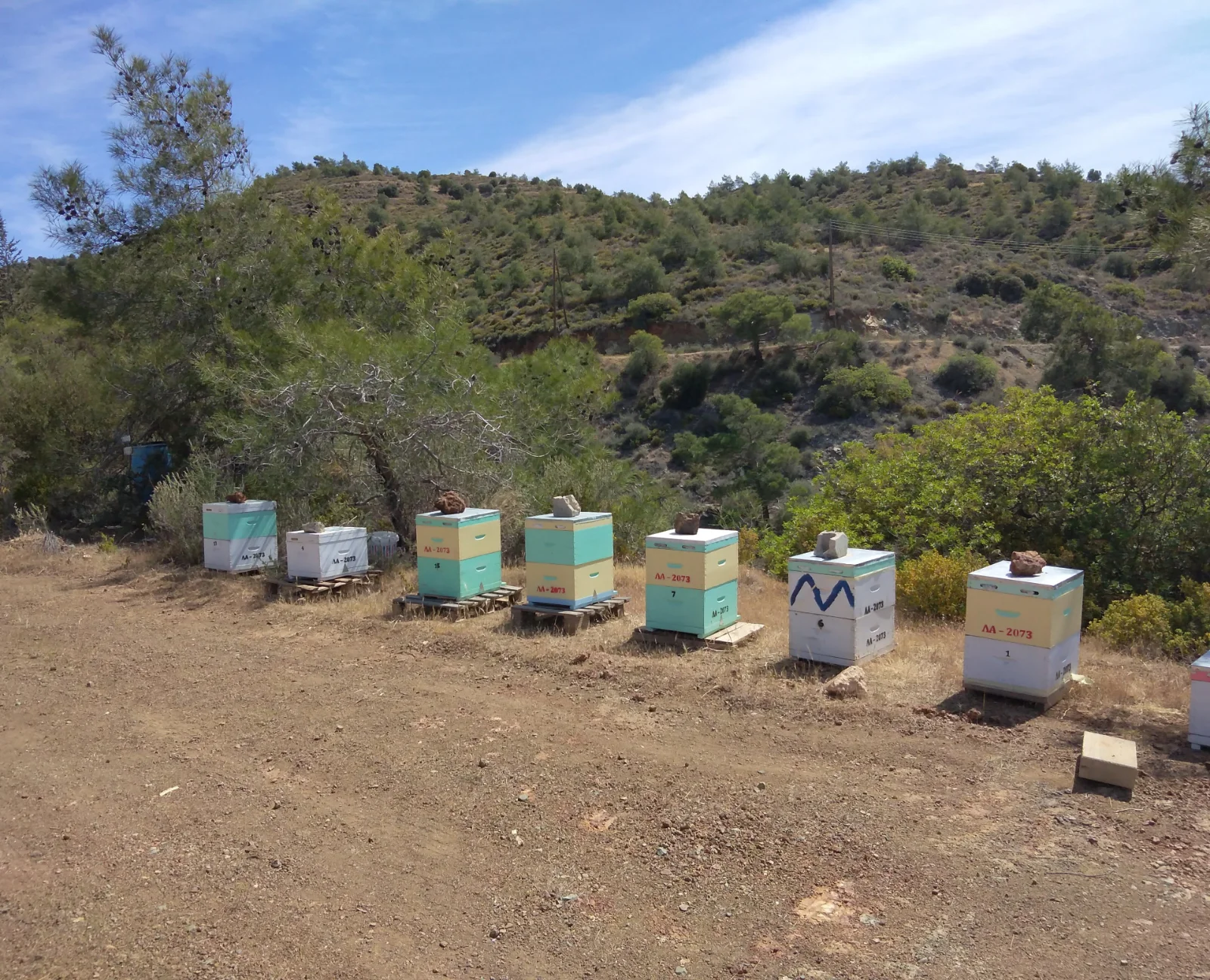
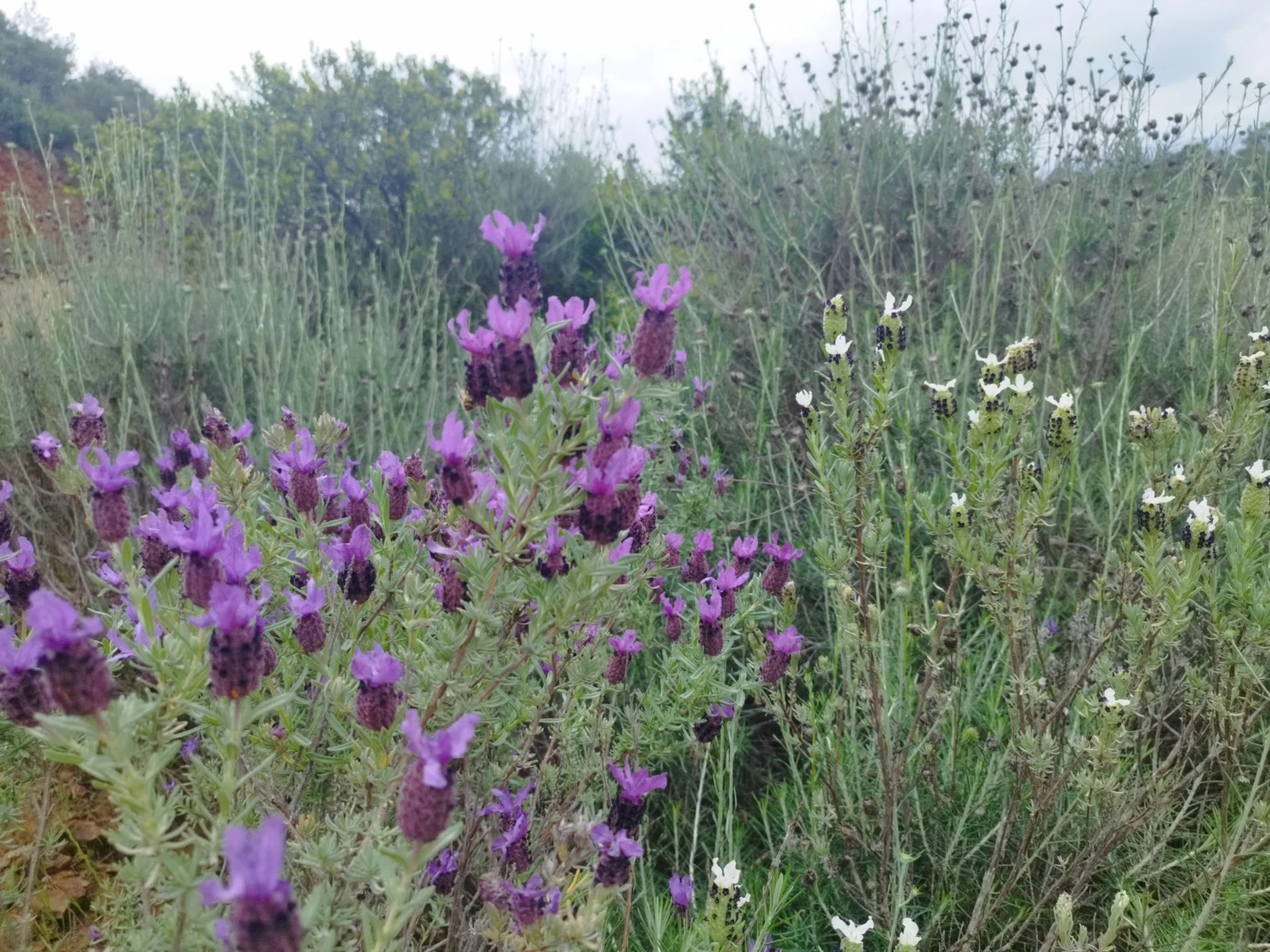
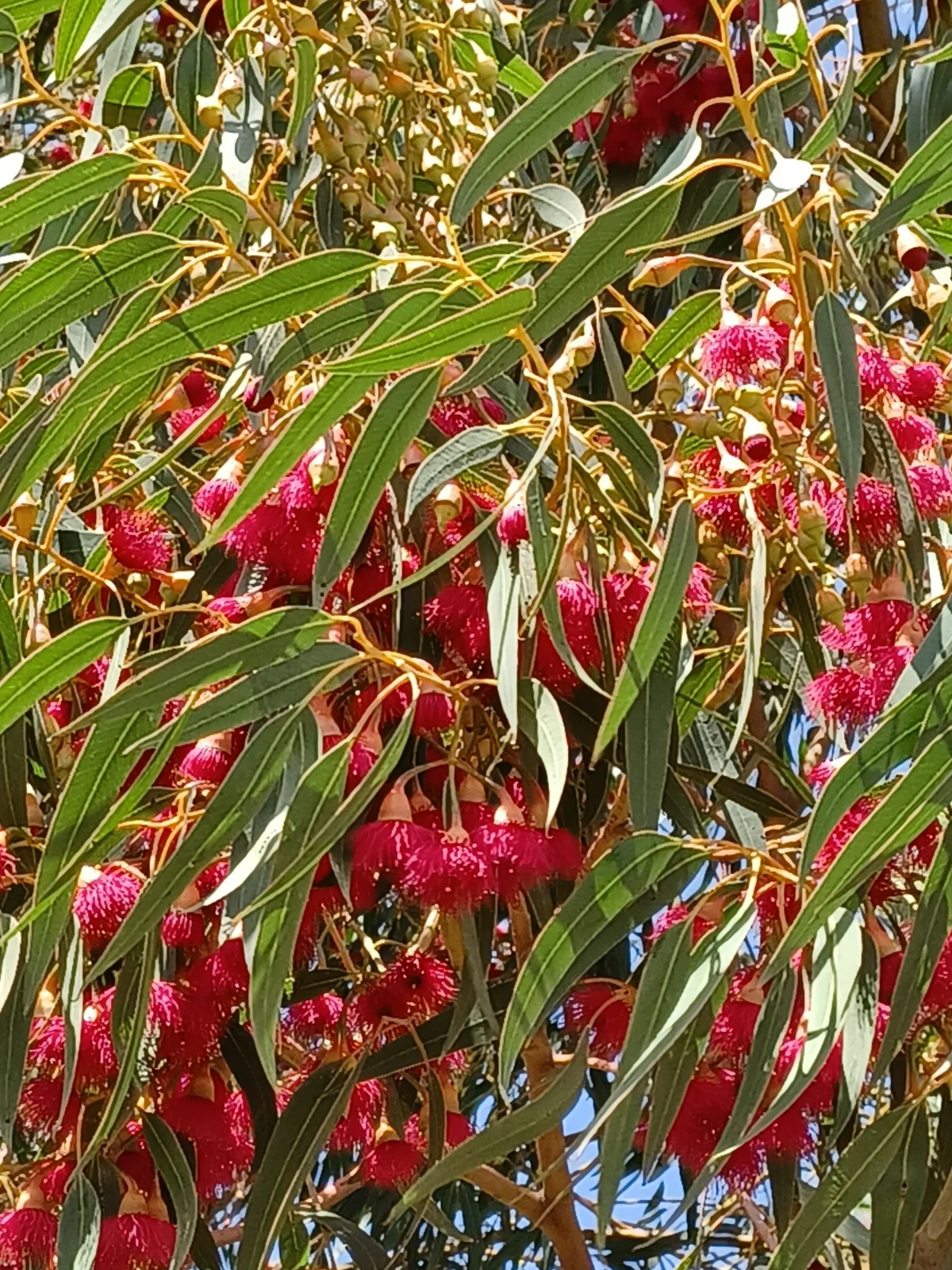
A small apiary in the mountains of Cyprus. In the hives, only organic acids and thymol — never synthetics. Our honey is raw and unheated — never above hive temperature — and each year's harvest sells out within the year.
Our own hivesFrom hive to jar, everything is ours — harvest, extraction, bottling. We never buy in honey. Only Cypriot honey, from our own hives.
Nothing synthetic — everOnly organic acids and thymol in the hives since 2016 — never synthetics, never antibiotics. Our own wax, wooden hives.
Every jar has a pageScan the QR on the label and see your batch — forever.
Traceability
Your jar has its own page
Every batch gets a permanent address with its production details — and its lab results, whenever a batch is analysed. The page never comes down — scan it five years from now. Batch pages exist in both languages.
1Scan the QR on the jar's label.
2Your batch's own page opens.
3See when it was harvested, where, how many jars — and the lab results, where they exist.
This year's harvest from Stavrovouni — its name will come from the pollen analysis.
700 gAvailable
€10.00 a jar
Available
€10.00 a jar
Today we offer honey only. Other hive products — pollen, propolis, wax — will be added here when we have them.
Availability
We offer only the honey our own hives produce. Each year's quantity depends on the blossoms. When it runs out, we don't top up the harvest with anyone else's honey — the next honey comes with the next harvest.
The notification list sends one message per harvest.
Summer in Cyprus is hot and dry. Nectar reaches the hive with less water, and the honey ripens with low moisture. Low moisture limits the risk of fermentation and helps preserve the aroma.
Moisture is measured in every lab analysis we publish. The EU limit is 20%.