Eleven practices,
no exceptions.
Written the way they are practised. We don't use the word "organic" until a certificate is issued; we simply tell you what we do — and what we never do.
Only organic acids and thymol
In our hives we use only organic acids and thymol — what organic beekeeping allows. Nothing synthetic and no antibiotic has ever entered them, not once since 2016. It is the hardest road, and the only one we will take.
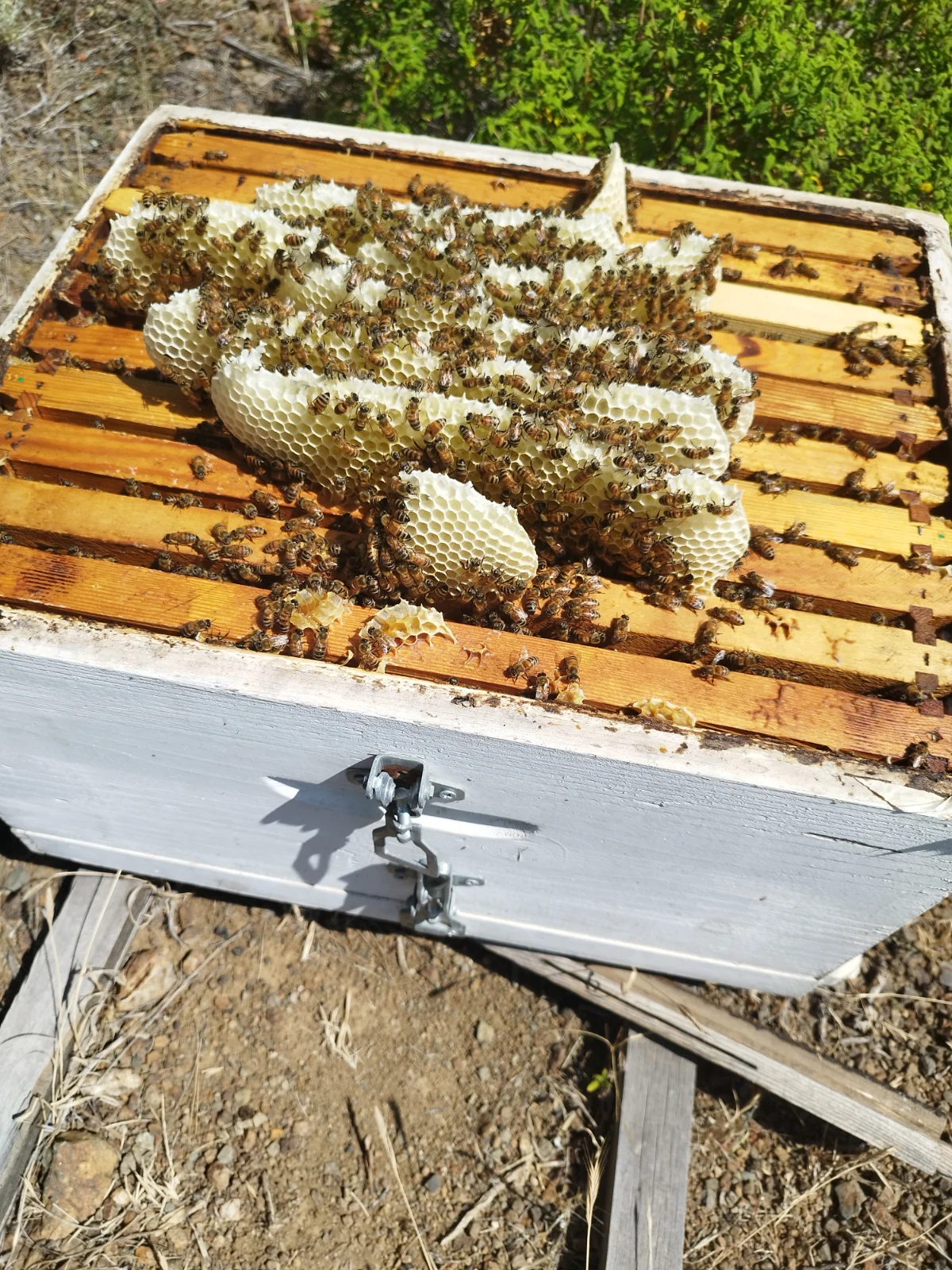
Wooden hives only
Wood and ecological paints. No plastic box, no plastic part in contact with the honey inside the hive.
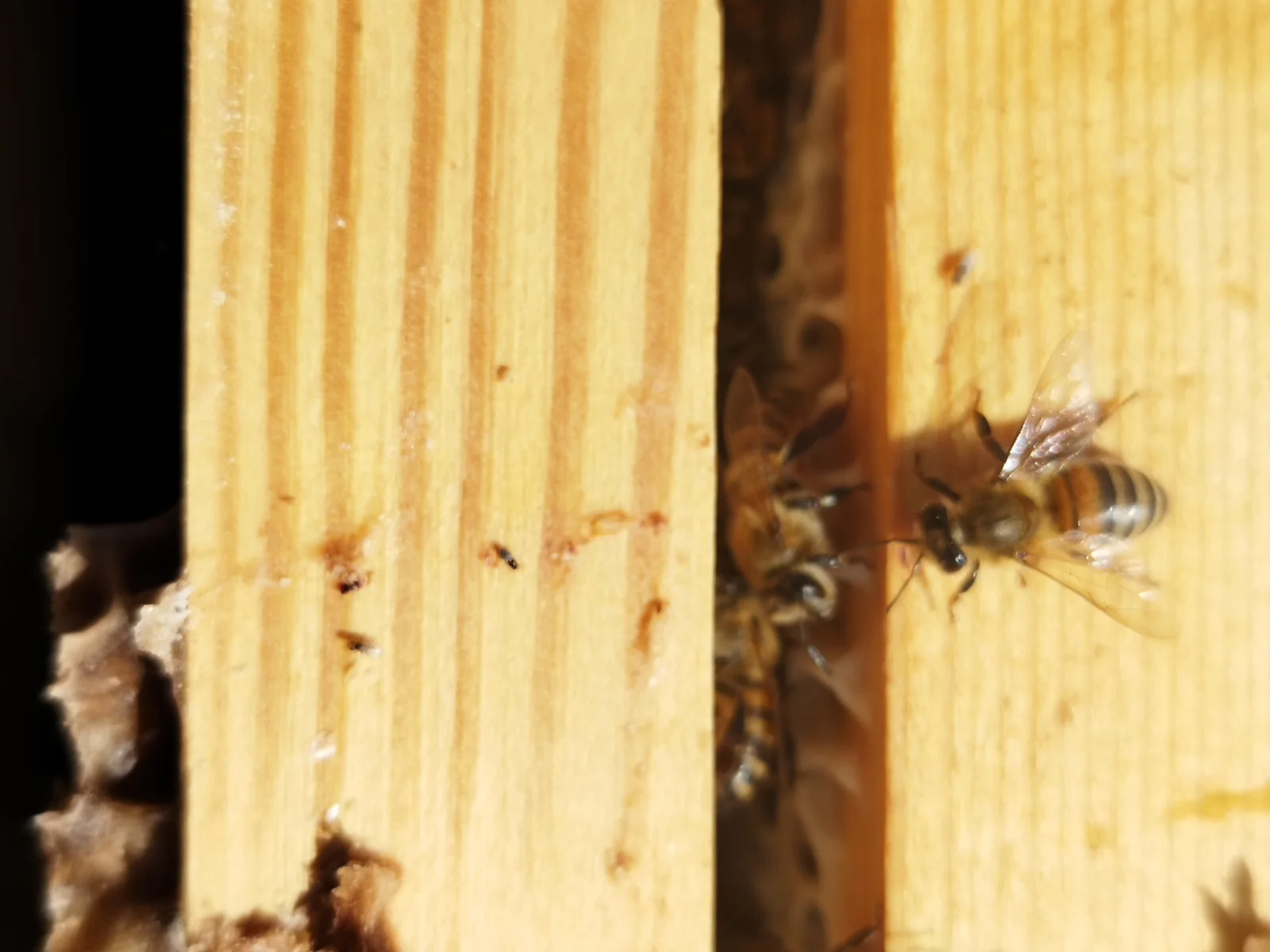
Honey from blossom only
Our honey comes from the nectar of the blossom. The adulteration check in the lab analyses shows exactly that: if a honey is adulterated, its sugars give it away.
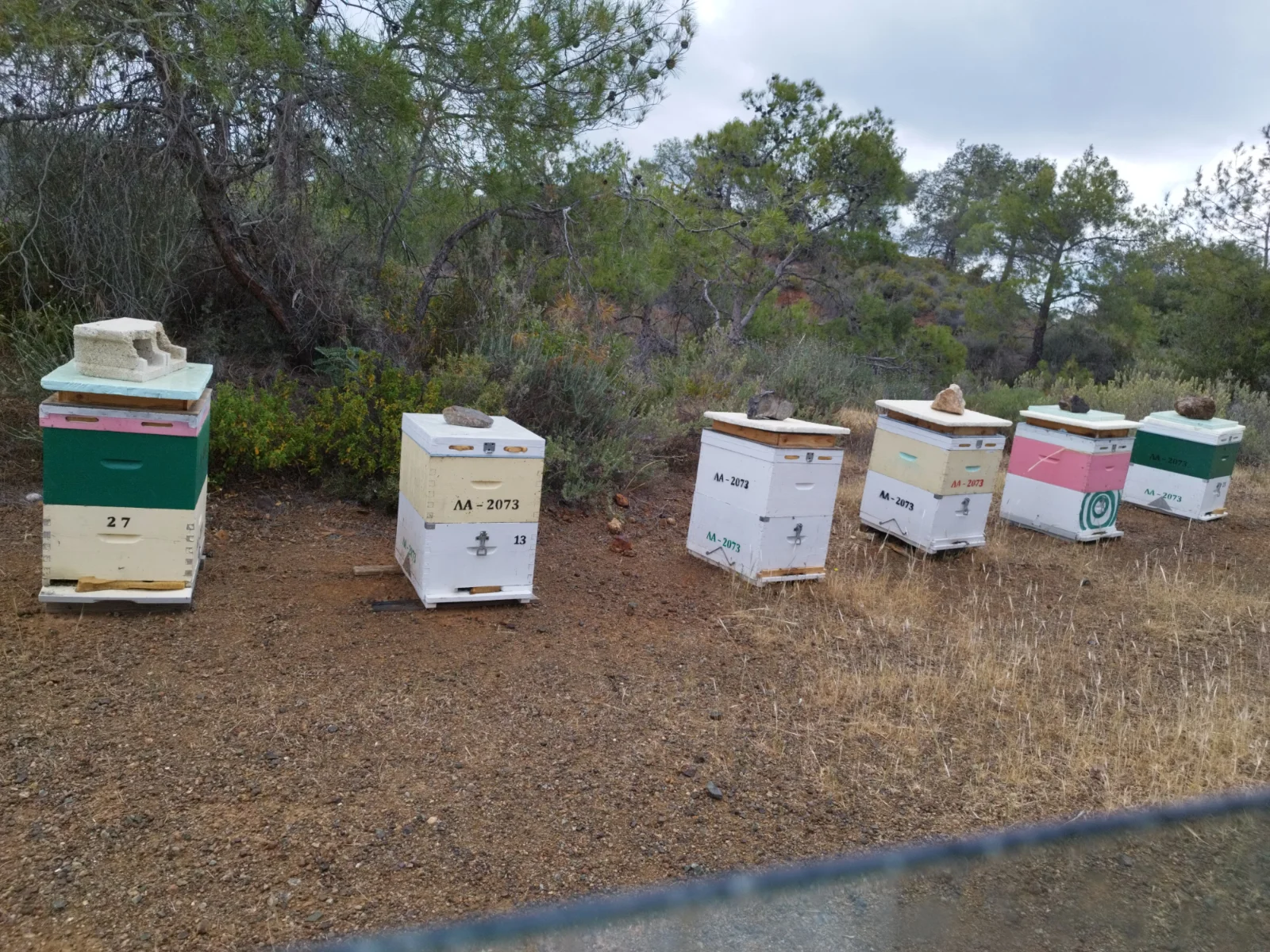
Nomadic beekeeping in the mountains
For every harvest we move the hives to isolated mountain areas — away from crops and spraying, close to the blossom that gives the honey its name.
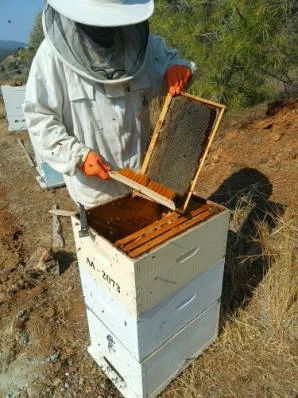
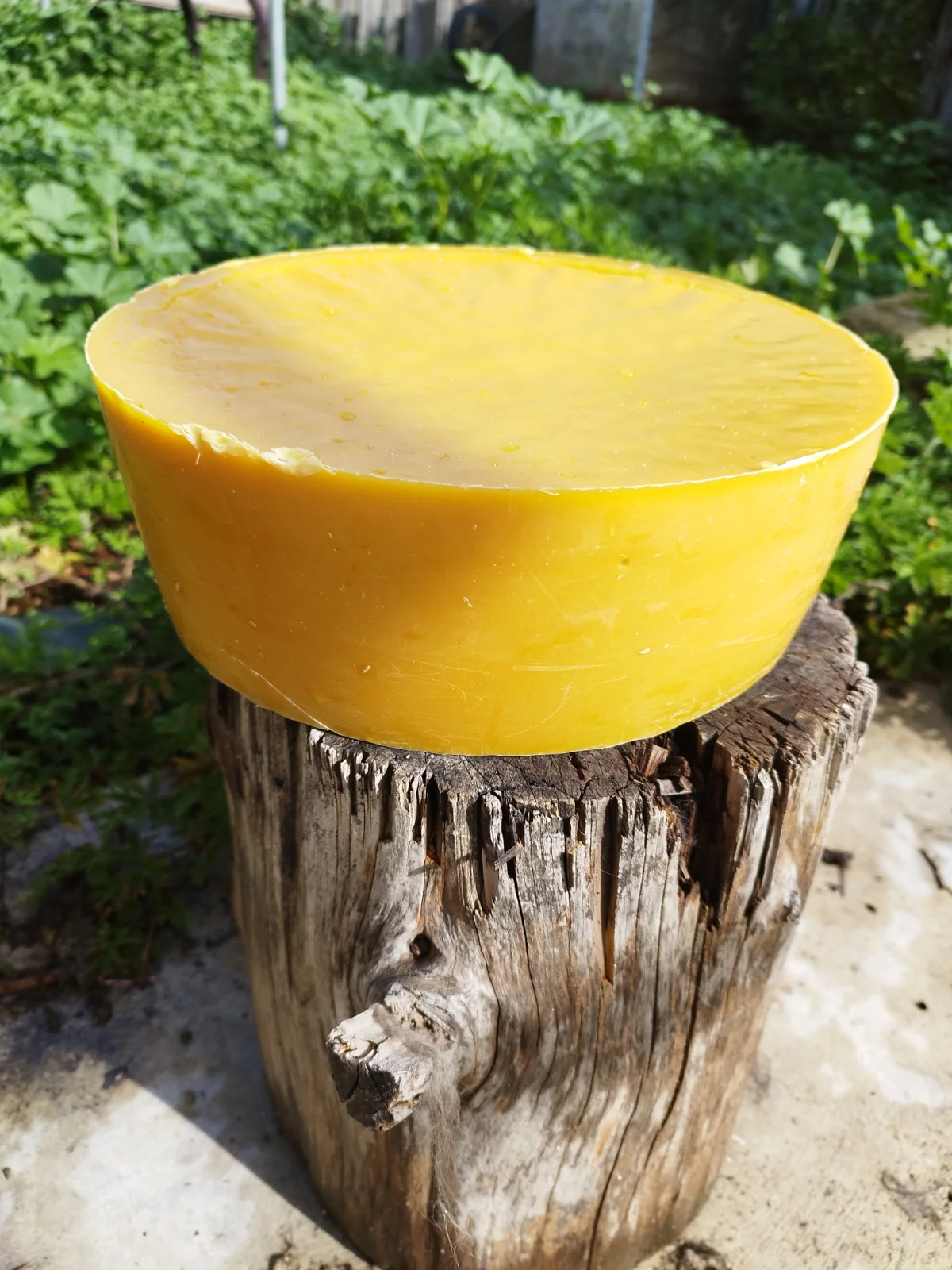
Our own wax
The combs are built on foundation from our own wax — a closed cycle, with no bought-in wax of unknown origin and no synthetic residues recycling through the hive.
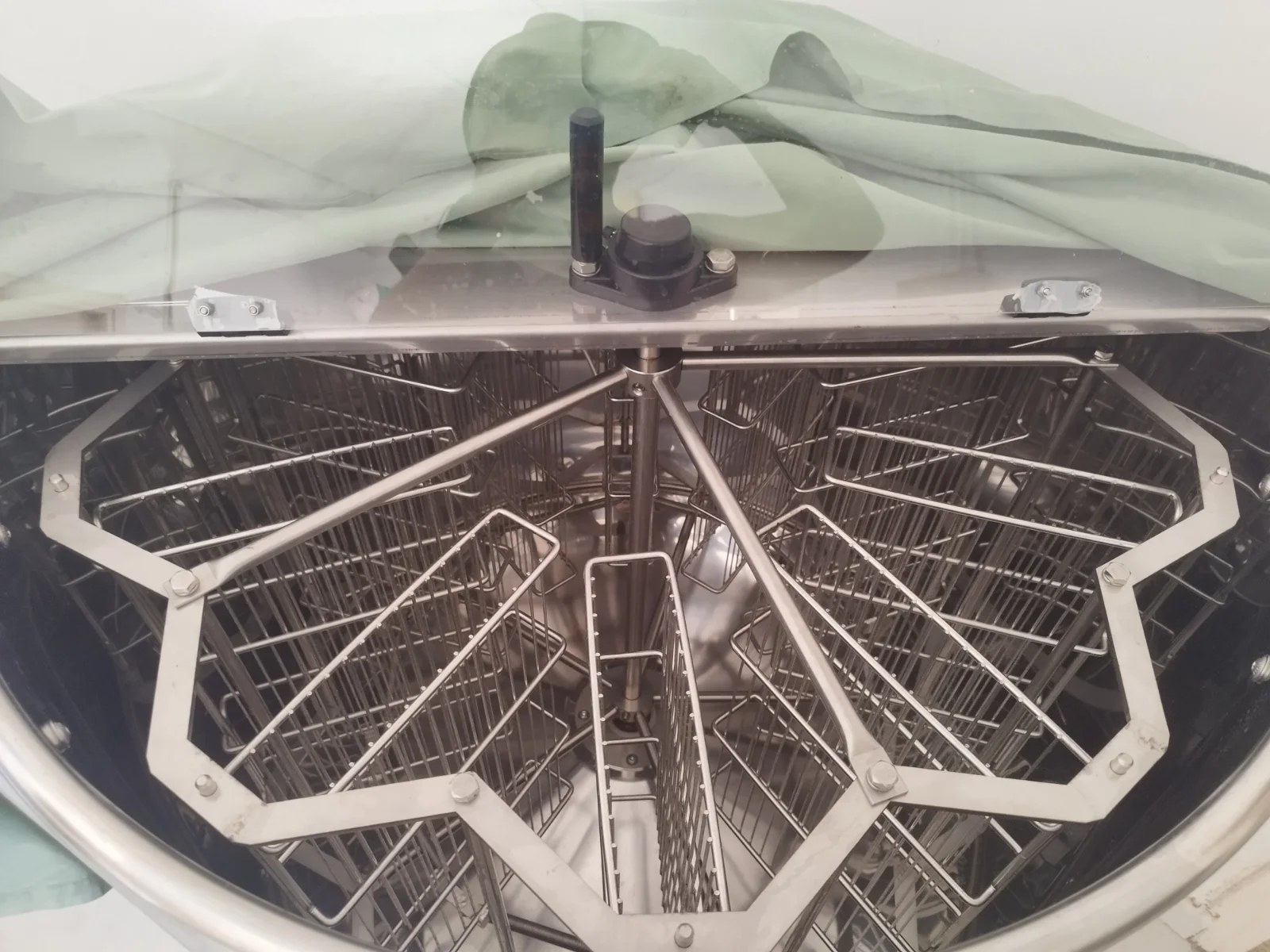
Stainless-steel equipment
Extraction and storage exclusively in stainless steel. Nothing plastic touches the honey before the jar.
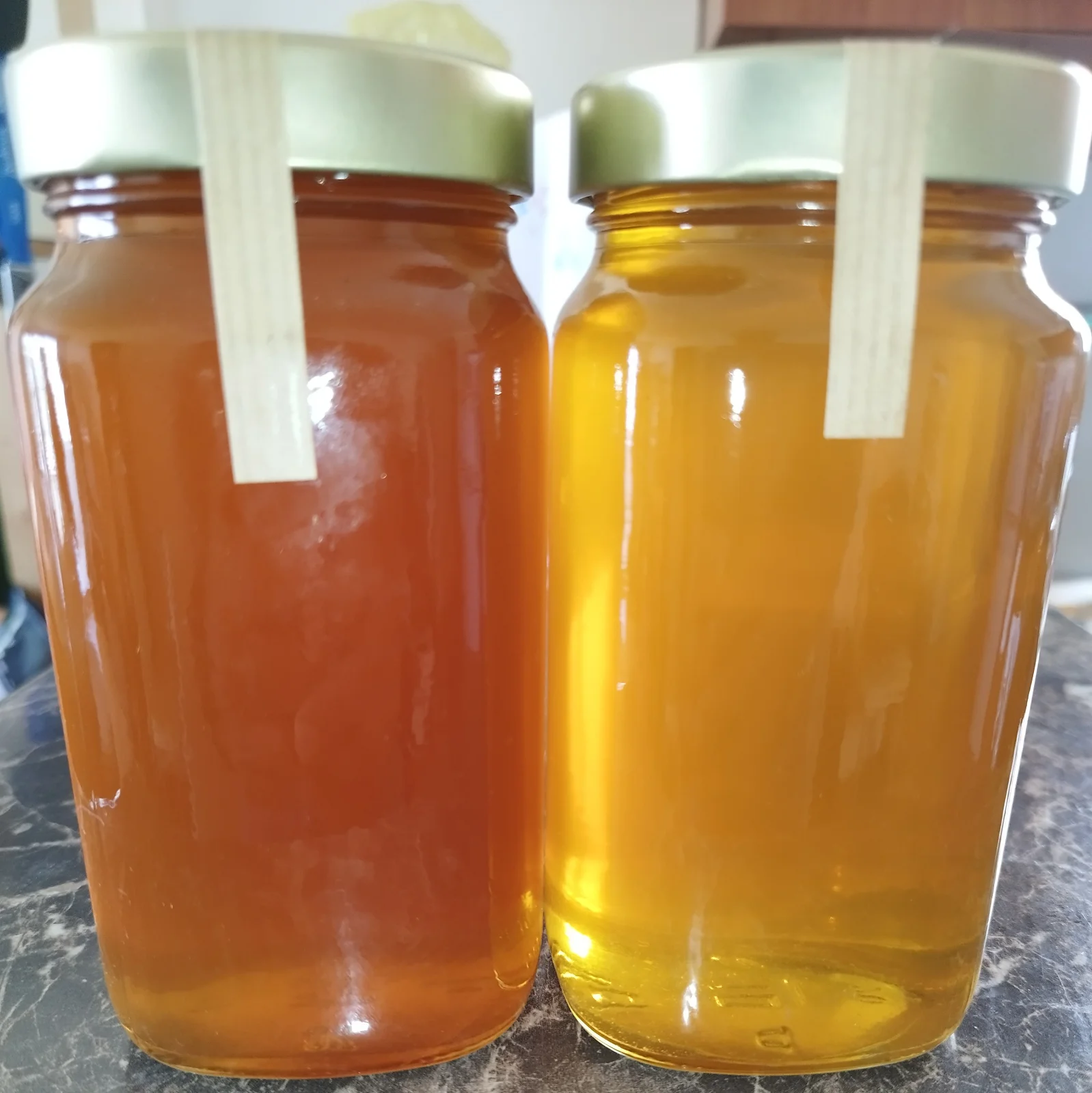
Glass jars only
Glass doesn't interact with the honey, is fully recyclable, and hides nothing — you see exactly what you're buying, and how it crystallises over time.
We never buy in honey
All the honey we offer comes from our own hives. We don't buy honey in bulk, and we don't top up the harvest from third parties in low years.
Unfiltered — only strained
The honey passes through a sieve — keeping out wax and whatever doesn't belong in the jar — and is never filtered. The pollen stays in: that is what the pollen analysis reads, and what gives each harvest its name.
Why our honey crystallises in your jar
Bottled before winter
We harvest only capped, mature honey. The mechanism: we bottle while the honey is still liquid, so it crystallises naturally in the jar — not in the tanks. That way it never needs heating and re-liquefying — which is why our honey is raw.
Always fresh
Production is so small that it sells out within its year. Nothing is carried over to the next — when it's gone, it's gone.
HMF is a by-product that rises with heating and with time, as the honey's sugars break down. On the batches that have been analysed you see it beside the EU limit of 40 mg/kg — on the batch pages. And if your jar has crystallised: that is a good sign. More: Raw honey, with proof.